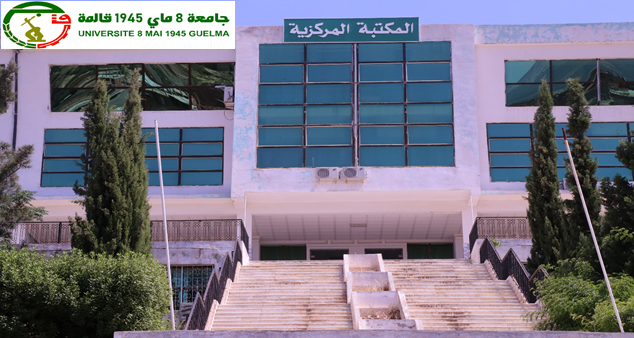
BIBLIOTHEQUE CENTRALE
Détail de l'indexation
907 : Enseignement et recherche |
Ouvrages de la bibliothèque en indexation 907


 Affiner la recherche Interroger des sources externes
Titre : A Global History of History Type de document : texte imprimé Auteurs : Daniel Woolf, Auteur Editeur : Cambridge [United Kingdom] : Cambridge University Press Année de publication : 2011 Importance : 568 P. Présentation : Couv.ill. en coul. , ill., pho., fig. Format : 25x17.5 Cm. ISBN/ISSN/EAN : 978-0-521-69908-2 Note générale :
A global history of historical writing, thought and the development of the historical discipline from the ancient world to the present. This is a definitive guide to human efforts to recover, understand and represent the past, bringing together different historical traditions and their social, economic, political and cultural contexts. Daniel Woolf offers clear definitions of different genres and forms of history and addresses key themes such as the interactions between West and East, the conflict of oral, pictographic, and written accounts of the past and the place of history in society and in politics. Numerous textual extracts and illustrations in every chapter capture the historical cultures of past civilizations and demonstrate the different forms that historical consciousness has taken around the world. The book offers unique insights into the interconnections between different historical cultures over 3000 years and relates the rise of history to key themes in world history.Langues : Anglais (eng) Langues originales : Anglais (eng) Index. décimale : 907 Enseignement et recherche Résumé :
'This is the first comprehensive one-volume history of historical writing from earliest times to the present. Its strength lies in its broad intercultural approach. It is very readable and I recommend it highly as a text in courses and seminars in historiography and comparative intellectual history.' Georg G. Iggers, State University of New York, Buffalo
'Woolf's book offers us a genuinely global study of the history of history, a lucid and balanced synthesis and one that makes a serious attempt to avoid the twin dangers of Eurocentrism and present-mindedness, emphasizing as it does the multiple roads to the past.' Peter Burke, University of Cambridge
'This is a very knowledgeable and comprehensive history of world historiography. Woolf, a recognized expert in this area, has combined chronology and geography, including Africa and the Near and Far East as well as Europe and the US; and his solution works very well. The field of global history is relatively new and this is a bold and effective effort to encompass it in a single volume.' Donald Kelley, Rutgers, State University of New Jersey
'This is a formidable work, at once open to the multiplicity of different traditions in historiography across the world and able to shape them into an impressive narrative without artificially doing so by emphasizing linkages and interactions. The illustrations are pertinent and the use of inset passages is helpful. This book will offer much to scholars and students alike.' History
'A considerable, even astounding, achievement. It might yet become a defining moment in the field.' English Historical Review
'… the book's broadness in coverage (which is shown not only in the text itself but also, very ingeniously and usefully, in the 'text extracts' and 'subject boxes'), is not only unprecedented but, in my opinion, also difficult for anyone to surpass in the foreseeable future … this is a valuable book, marking a worthwhile attempt to re-imagine and re-present the study of historiography. It deserves to be read not only by history students taking courses on historiography and historical methods but also by all practising historians interested in knowing more about their profession.' Q. Edward Wang, Journal of Global History
'… it impresses with its well-thought-out structure, accessible language, concise presentation of complex issues, and, on top of that, some original interpretations, which make it interesting to professional historians, too.' The Historical Journal
'… a very intelligent and comprehensive account that represents the current status of our knowledge about history writing across the last millennia and across all continents.' International Journal for History, Culture and ModernityNote de contenu : Table of Contents:
List of illustrations
List of text extracts
List of subject boxes
Preface and conventions
Acknowledgments
Introduction
1.Foundations
2.History during the First Millennium AD
3.An Age of Global Violence, c. 1000 to c. 1450
4.History in the Early Modern Empires: Europe, China, Islam
5.Transatlantic Histories: Contact, conquest and cultural exchange 1450-1800
6.Progress and History in the Eurasian Enlightenments
7.The Broken Mirror: Nationalism, romanticism and professionalization in the nineteenth-century West
8.Clio's Empire: European historiography in Asia, the Americas and Africa
9.Babel's Tower? History in the Twentieth Century
Epilogue
Further reading
IndexA Global History of History [texte imprimé] / Daniel Woolf, Auteur . - Cambridge (United Kingdom) : Cambridge University Press, 2011 . - 568 P. : Couv.ill. en coul. , ill., pho., fig. ; 25x17.5 Cm.
ISBN : 978-0-521-69908-2
A global history of historical writing, thought and the development of the historical discipline from the ancient world to the present. This is a definitive guide to human efforts to recover, understand and represent the past, bringing together different historical traditions and their social, economic, political and cultural contexts. Daniel Woolf offers clear definitions of different genres and forms of history and addresses key themes such as the interactions between West and East, the conflict of oral, pictographic, and written accounts of the past and the place of history in society and in politics. Numerous textual extracts and illustrations in every chapter capture the historical cultures of past civilizations and demonstrate the different forms that historical consciousness has taken around the world. The book offers unique insights into the interconnections between different historical cultures over 3000 years and relates the rise of history to key themes in world history.
Langues : Anglais (eng) Langues originales : Anglais (eng)
Index. décimale : 907 Enseignement et recherche Résumé :
'This is the first comprehensive one-volume history of historical writing from earliest times to the present. Its strength lies in its broad intercultural approach. It is very readable and I recommend it highly as a text in courses and seminars in historiography and comparative intellectual history.' Georg G. Iggers, State University of New York, Buffalo
'Woolf's book offers us a genuinely global study of the history of history, a lucid and balanced synthesis and one that makes a serious attempt to avoid the twin dangers of Eurocentrism and present-mindedness, emphasizing as it does the multiple roads to the past.' Peter Burke, University of Cambridge
'This is a very knowledgeable and comprehensive history of world historiography. Woolf, a recognized expert in this area, has combined chronology and geography, including Africa and the Near and Far East as well as Europe and the US; and his solution works very well. The field of global history is relatively new and this is a bold and effective effort to encompass it in a single volume.' Donald Kelley, Rutgers, State University of New Jersey
'This is a formidable work, at once open to the multiplicity of different traditions in historiography across the world and able to shape them into an impressive narrative without artificially doing so by emphasizing linkages and interactions. The illustrations are pertinent and the use of inset passages is helpful. This book will offer much to scholars and students alike.' History
'A considerable, even astounding, achievement. It might yet become a defining moment in the field.' English Historical Review
'… the book's broadness in coverage (which is shown not only in the text itself but also, very ingeniously and usefully, in the 'text extracts' and 'subject boxes'), is not only unprecedented but, in my opinion, also difficult for anyone to surpass in the foreseeable future … this is a valuable book, marking a worthwhile attempt to re-imagine and re-present the study of historiography. It deserves to be read not only by history students taking courses on historiography and historical methods but also by all practising historians interested in knowing more about their profession.' Q. Edward Wang, Journal of Global History
'… it impresses with its well-thought-out structure, accessible language, concise presentation of complex issues, and, on top of that, some original interpretations, which make it interesting to professional historians, too.' The Historical Journal
'… a very intelligent and comprehensive account that represents the current status of our knowledge about history writing across the last millennia and across all continents.' International Journal for History, Culture and ModernityNote de contenu : Table of Contents:
List of illustrations
List of text extracts
List of subject boxes
Preface and conventions
Acknowledgments
Introduction
1.Foundations
2.History during the First Millennium AD
3.An Age of Global Violence, c. 1000 to c. 1450
4.History in the Early Modern Empires: Europe, China, Islam
5.Transatlantic Histories: Contact, conquest and cultural exchange 1450-1800
6.Progress and History in the Eurasian Enlightenments
7.The Broken Mirror: Nationalism, romanticism and professionalization in the nineteenth-century West
8.Clio's Empire: European historiography in Asia, the Americas and Africa
9.Babel's Tower? History in the Twentieth Century
Epilogue
Further reading
IndexExemplaires (1)
Code-barres Cote Support Localisation Section Disponibilité 15/271332 L/907.001 Livre Bibliothèque Centrale indéterminé Exclu du prêt
Titre : Le monde, l'Histoire : Essai sur les histoires universelles Type de document : texte imprimé Auteurs : Hervé Inglebert, Auteur Editeur : Presses Universitaires de France Année de publication : 2014 Importance : 1238 P. Présentation : Couv.ill. en coul. Format : 22x15 Cm. ISBN/ISSN/EAN : 978-2-13-063128-6 Note générale :
Biographie
Hervé Inglebert est professeur d'histoire romaine à l'université de Paris Ouest Nanterre-La Défense, membre senior de l'institut universitaire de France èt codirecteur de la collection « Nouvelle Clio » des Puf, où il a dirigé une Histoire de la civilisation romaine.Langues : Français (fre) Langues originales : Français (fre) Index. décimale : 907 Enseignement et recherche Résumé :
La discipline historique est parcourue depuis une génération par un mouvement de fond : l'émergence de l'histoire globale, approche certes nouvelle mais qui fait suite à beaucoup d'autres puisque, depuis la plus haute Antiquité, de très nombreuses cultures ont produit des récits de la totalité du passé.
La présente enquête sur les « histoires universelles » explore donc sur la longue durée la multitude des récits du monde réalisés au Proche-Orient, en Méditerranée, en Europe et en Amérique aussi bien qu'en Chine, en Inde ou en Islam. Une telle exploration méthodique ouvre de nouvelles perspectives sur les représentations du passé, l'évolution des savoirs historiens et leurs discontinuités récurrentes.
Afin d'apprécier l'originalité de l'histoire globale, mais aussi de comprendre comment on peut la dépasser, il était temps d'écrire cette chronique des histoires du monde.Note de contenu :
Sommaire
Introduction
1 / Questions de méthodes
Les mots de « l’histoire universelle » • Universalité et totalités • La représentation de
« l’histoire universelle » au XXe
siècle • Histoire, généalogie et archéologie de « l’histoire
universelle » • Le passé comme histoire
2 / Archéologie de « l’histoire universelle »
Historiographie mondiale des premières conceptions de la totalité du devenir (vers 2000
av. J.-C. – vers 1000 ap. J.-C.) • Proche-Orient • Grecs • Romains • Juifs et chrétiens •
Inde • Chine
3 / Archéologie de « l’histoire universelle »
Historiographie des conceptions monothéistes de la totalité du devenir (vers 200 ap. J.-C.
– vers 1500 ap. J.-C.) • 12-Antiquité tardive grecque • Byzance • Antiquité tardive latine et
haut Moyen Âge occidental • Orients chrétiens • Islam • Moyen Âge occidental
4 / Généalogie de « l’histoire universelle ». Historiographie des conceptions européennes, musulmanes et chinoises de la totalité du devenir (1450-1830)
Europe (1450-1600) • Europe (1600-1720) • Italie, France, Grande-Bretagne (1720-1800)
• Allemagne (1740-1830) • Islam et Chine (1450-1830)
5 / Histoire de « l’histoire universelle ». Historiographie mondiale des conceptions de l’histoire universelle depuis 1820
Europe (1810-1870) • Monde (1870-1918) • Monde (1919-1945) • Monde 1945-1989) • Monde
(depuis 1989)
6 / Les rhétoriques de la synecdoque
Analyse de l’expression « l’Histoire Universelle » • Unité et universalité de l’Histoire
universelle • Comment structurer une histoire universelle ? • Quelle histoire universelle
aujourd’hui ? • L’intérêt méthodologique des histoires universelles • Les débats contemporains sur l’écriture de l’histoire universelle ; • La question de l’eurocentrisme • Les traditions
de « l’histoire universelle » • La chronique des Mondes
Conclusion
Les Mondes comme histoires au XXIe siècleLe monde, l'Histoire : Essai sur les histoires universelles [texte imprimé] / Hervé Inglebert, Auteur . - Paris : Presses Universitaires de France, 2014 . - 1238 P. : Couv.ill. en coul. ; 22x15 Cm.
ISBN : 978-2-13-063128-6
Biographie
Hervé Inglebert est professeur d'histoire romaine à l'université de Paris Ouest Nanterre-La Défense, membre senior de l'institut universitaire de France èt codirecteur de la collection « Nouvelle Clio » des Puf, où il a dirigé une Histoire de la civilisation romaine.
Langues : Français (fre) Langues originales : Français (fre)
Index. décimale : 907 Enseignement et recherche Résumé :
La discipline historique est parcourue depuis une génération par un mouvement de fond : l'émergence de l'histoire globale, approche certes nouvelle mais qui fait suite à beaucoup d'autres puisque, depuis la plus haute Antiquité, de très nombreuses cultures ont produit des récits de la totalité du passé.
La présente enquête sur les « histoires universelles » explore donc sur la longue durée la multitude des récits du monde réalisés au Proche-Orient, en Méditerranée, en Europe et en Amérique aussi bien qu'en Chine, en Inde ou en Islam. Une telle exploration méthodique ouvre de nouvelles perspectives sur les représentations du passé, l'évolution des savoirs historiens et leurs discontinuités récurrentes.
Afin d'apprécier l'originalité de l'histoire globale, mais aussi de comprendre comment on peut la dépasser, il était temps d'écrire cette chronique des histoires du monde.Note de contenu :
Sommaire
Introduction
1 / Questions de méthodes
Les mots de « l’histoire universelle » • Universalité et totalités • La représentation de
« l’histoire universelle » au XXe
siècle • Histoire, généalogie et archéologie de « l’histoire
universelle » • Le passé comme histoire
2 / Archéologie de « l’histoire universelle »
Historiographie mondiale des premières conceptions de la totalité du devenir (vers 2000
av. J.-C. – vers 1000 ap. J.-C.) • Proche-Orient • Grecs • Romains • Juifs et chrétiens •
Inde • Chine
3 / Archéologie de « l’histoire universelle »
Historiographie des conceptions monothéistes de la totalité du devenir (vers 200 ap. J.-C.
– vers 1500 ap. J.-C.) • 12-Antiquité tardive grecque • Byzance • Antiquité tardive latine et
haut Moyen Âge occidental • Orients chrétiens • Islam • Moyen Âge occidental
4 / Généalogie de « l’histoire universelle ». Historiographie des conceptions européennes, musulmanes et chinoises de la totalité du devenir (1450-1830)
Europe (1450-1600) • Europe (1600-1720) • Italie, France, Grande-Bretagne (1720-1800)
• Allemagne (1740-1830) • Islam et Chine (1450-1830)
5 / Histoire de « l’histoire universelle ». Historiographie mondiale des conceptions de l’histoire universelle depuis 1820
Europe (1810-1870) • Monde (1870-1918) • Monde (1919-1945) • Monde 1945-1989) • Monde
(depuis 1989)
6 / Les rhétoriques de la synecdoque
Analyse de l’expression « l’Histoire Universelle » • Unité et universalité de l’Histoire
universelle • Comment structurer une histoire universelle ? • Quelle histoire universelle
aujourd’hui ? • L’intérêt méthodologique des histoires universelles • Les débats contemporains sur l’écriture de l’histoire universelle ; • La question de l’eurocentrisme • Les traditions
de « l’histoire universelle » • La chronique des Mondes
Conclusion
Les Mondes comme histoires au XXIe siècleExemplaires (1)
Code-barres Cote Support Localisation Section Disponibilité 15/271603 L/907.002 Livre Bibliothèque Centrale indéterminé Exclu du prêt
Titre : The Ethics of Narrative : Essays on History, Literature, and Theory, 2007–2017 Type de document : texte imprimé Auteurs : White Hayden, Auteur Mention d'édition : 1éd. Editeur : London:Cornell University Press Année de publication : 2023 Importance : 266p. Présentation : Couverture externe,tableaux,figures Format : 23X15cm ISBN/ISSN/EAN : 978-1-5017-7359-4 Langues : Anglais moyen (ca.1100-1500) (enm) Langues originales : Anglais moyen (ca.1100-1500) (enm) Catégories : 4 Sciences sociales et humaines Mots-clés : Future,literature,history Index. décimale : 907 Enseignement et recherche Résumé : The second volume of The Ethics of Narrative completes the project of bringing together nearly all of Hayden White's uncollected essays from the last two decades of his life, including articles, essays, and previously unpublished lectures. As in the first volume, volume 2 features White's trenchant articulations of his influential theories, as well as his explorations of a wide range of ideas and authors at the frontiers of critical theory, literature, and historical studies. These include the concept of utopia in history, modernism and postmodernism, constructivism, the conceptualization of historical periods such as "the Sixties" and "the Enlightenment," the representation of the Holocaust in scholarly and literary writing, as well as essays on Frank Kermode, Saul Friedländer, and Krzysztof Pomian. Note de contenu : 1. The Future of Utopia in History [2007]
2. Reflections on "Gendre" in the Discourses of History [2009]
3. Postmodernism and Historiography [2009]
4. Anomalies of the Canon in Modernity [2011]
5. Modern Politics and the Historical Imaginary [2012]
6. Historical Fictions: Frank Kermode's Idea of History in The Sense of an Ending [2012]
7. The Substance of the Sixties [2013]
8. The History-Fiction Divide in Holocaust Studies [2014]
9. The Limits of Enlightenment: Enlightenment as Metaphor and Concept [2014]
10. Outcasts, Monsters, and Simulacra of History [2015]
11. Modernism and the Sense of History [2016]
12. Historical Truth, Estrangement, and Disbelief: On Saul Friedländer's Nazi Germany and the Jews [2016]
13. At the Limits of the Concept [2016]
14. Krzysztof Pomian's Modernist Theory of Culture [2016]
15. Constructionism in Historical Writing [2017]
16. Primitivism and Modernism [2017]
17. Is My Life a Story? [2017]
IndexThe Ethics of Narrative : Essays on History, Literature, and Theory, 2007–2017 [texte imprimé] / White Hayden, Auteur . - 1éd. . - [S.l.] : London:Cornell University Press, 2023 . - 266p. : Couverture externe,tableaux,figures ; 23X15cm.
ISBN : 978-1-5017-7359-4
Langues : Anglais moyen (ca.1100-1500) (enm) Langues originales : Anglais moyen (ca.1100-1500) (enm)
Catégories : 4 Sciences sociales et humaines Mots-clés : Future,literature,history Index. décimale : 907 Enseignement et recherche Résumé : The second volume of The Ethics of Narrative completes the project of bringing together nearly all of Hayden White's uncollected essays from the last two decades of his life, including articles, essays, and previously unpublished lectures. As in the first volume, volume 2 features White's trenchant articulations of his influential theories, as well as his explorations of a wide range of ideas and authors at the frontiers of critical theory, literature, and historical studies. These include the concept of utopia in history, modernism and postmodernism, constructivism, the conceptualization of historical periods such as "the Sixties" and "the Enlightenment," the representation of the Holocaust in scholarly and literary writing, as well as essays on Frank Kermode, Saul Friedländer, and Krzysztof Pomian. Note de contenu : 1. The Future of Utopia in History [2007]
2. Reflections on "Gendre" in the Discourses of History [2009]
3. Postmodernism and Historiography [2009]
4. Anomalies of the Canon in Modernity [2011]
5. Modern Politics and the Historical Imaginary [2012]
6. Historical Fictions: Frank Kermode's Idea of History in The Sense of an Ending [2012]
7. The Substance of the Sixties [2013]
8. The History-Fiction Divide in Holocaust Studies [2014]
9. The Limits of Enlightenment: Enlightenment as Metaphor and Concept [2014]
10. Outcasts, Monsters, and Simulacra of History [2015]
11. Modernism and the Sense of History [2016]
12. Historical Truth, Estrangement, and Disbelief: On Saul Friedländer's Nazi Germany and the Jews [2016]
13. At the Limits of the Concept [2016]
14. Krzysztof Pomian's Modernist Theory of Culture [2016]
15. Constructionism in Historical Writing [2017]
16. Primitivism and Modernism [2017]
17. Is My Life a Story? [2017]
IndexExemplaires (1)
Code-barres Cote Support Localisation Section Disponibilité 24/325284 L/907.003 Livre Bibliothèque Centrale indéterminé Exclu du prêt
Titre : التاريخ الشفوي : المجلد الاول:مقاربات في المفاهيم والمنهج والخبرات Type de document : texte imprimé Auteurs : مجموعة مؤلفين, Auteur Editeur : المركز العربي للأبحاث ودراسة السياسات Année de publication : 2015 Importance : 359ص Présentation : غلاف ملون.جداول.أشكال.خرائط Format : 17*24سم ISBN/ISSN/EAN : 978-614-445-022-2 Langues : Arabe (ara) Langues originales : Arabe (ara) Index. décimale : 907 Enseignement et recherche Résumé : يحمل المجلد الأول من كتاب "التاريخ الشفوي"، عنوانا فرعيا هو: "مقاربات في المفاهيم والمنهج والخبرات"، وهو المجلّد الأول بين المجلدات الثلاثة لكتاب "التاريخ الشفوي" الذي يضم أوراق البحوث المقدمة خلال المؤتمر العلمي الأول من نوعه الذي نظمه فرع المركز العربي في بيروت (21 – 23 شباط/ فبراير 2014) تحت عنوان "التاريخ الشفوي: المفهوم والمنهج وحقول البحث في المجال العربي". وجاء المجلد الأول من الكتاب في قسمين، إضافةً إلى مقدمة بعنوان "التاريخ الشفوي: المسوّغ الإبيستيمولوجي"، واشتمل القسم الأول على عنوان "مقاربات في المفاهيم وإشكالية الشفوي/ الكتابي، وضمّ ستّ أوراق. أمّا القسم الثاني، فكان بعنوان "مقاربات في الخبرات والتجارب"، وقد ضمّ خمس أوراق.
Note de contenu : القسم الاول:مقاربات في المفاهيم وإشكالية الشفوي/ الكتابي
الورقة الأولى:ستة عقود من التاريخ الشفوي:تأملات وقضايا ثابتة
الورقة الثانية:المخبرون:مؤرخون مثلي مثلك
الورقة الثالثة: الازدواجية اللغوية والعلاقة بين الشفوية والكتابة التاريخية عند العرب
الورقة الرابعة:إمكانات كبيرة في مواجهة عوائق تقليلدية
الورقة الخامسة:الحديث النبوي في رحلة الانتقال من الشفوي إلى المكتوب: شبكات الرواية وأنماط التلقي
الورقة السادسة:مواطن القوة والضعف في الشهادات الشفوية :دراسة تطبيقية في تاريخ المغرب الراهن(1973-2005)
القسم الثاني:مقاربات في الخبرات والتجارب
الورقة السابعة: التعاطف والعاطفة والاختلاف :التاريخ الشفوي بعد العنف في جنوب أفريقيا مابعد الفصل العنصري
الورقة الثامنة:رفض النصوص والجمود على النصوص :نزاع الكتابي والشفوي ومفارقات التراث المورتاني
الورقة التاسع:الرواية الشفوية :قراءة في تجربة أرشيف معهد الدراسات الأفريقية والآسيوية
الورقة العاشرة:المصادر وإشكالية الذاكرة ورهانات كتابة تاريخ المغرب الحاضر
الورقة الحادية عشر:تجربتي مع الرواية الشفوية لكتابة تاريخ الفلاحين في سورية القرن العشرينالتاريخ الشفوي : المجلد الاول:مقاربات في المفاهيم والمنهج والخبرات [texte imprimé] / مجموعة مؤلفين, Auteur . - لبنان : المركز العربي للأبحاث ودراسة السياسات, 2015 . - 359ص : غلاف ملون.جداول.أشكال.خرائط ; 17*24سم.
ISBN : 978-614-445-022-2
Langues : Arabe (ara) Langues originales : Arabe (ara)
Index. décimale : 907 Enseignement et recherche Résumé : يحمل المجلد الأول من كتاب "التاريخ الشفوي"، عنوانا فرعيا هو: "مقاربات في المفاهيم والمنهج والخبرات"، وهو المجلّد الأول بين المجلدات الثلاثة لكتاب "التاريخ الشفوي" الذي يضم أوراق البحوث المقدمة خلال المؤتمر العلمي الأول من نوعه الذي نظمه فرع المركز العربي في بيروت (21 – 23 شباط/ فبراير 2014) تحت عنوان "التاريخ الشفوي: المفهوم والمنهج وحقول البحث في المجال العربي". وجاء المجلد الأول من الكتاب في قسمين، إضافةً إلى مقدمة بعنوان "التاريخ الشفوي: المسوّغ الإبيستيمولوجي"، واشتمل القسم الأول على عنوان "مقاربات في المفاهيم وإشكالية الشفوي/ الكتابي، وضمّ ستّ أوراق. أمّا القسم الثاني، فكان بعنوان "مقاربات في الخبرات والتجارب"، وقد ضمّ خمس أوراق.
Note de contenu : القسم الاول:مقاربات في المفاهيم وإشكالية الشفوي/ الكتابي
الورقة الأولى:ستة عقود من التاريخ الشفوي:تأملات وقضايا ثابتة
الورقة الثانية:المخبرون:مؤرخون مثلي مثلك
الورقة الثالثة: الازدواجية اللغوية والعلاقة بين الشفوية والكتابة التاريخية عند العرب
الورقة الرابعة:إمكانات كبيرة في مواجهة عوائق تقليلدية
الورقة الخامسة:الحديث النبوي في رحلة الانتقال من الشفوي إلى المكتوب: شبكات الرواية وأنماط التلقي
الورقة السادسة:مواطن القوة والضعف في الشهادات الشفوية :دراسة تطبيقية في تاريخ المغرب الراهن(1973-2005)
القسم الثاني:مقاربات في الخبرات والتجارب
الورقة السابعة: التعاطف والعاطفة والاختلاف :التاريخ الشفوي بعد العنف في جنوب أفريقيا مابعد الفصل العنصري
الورقة الثامنة:رفض النصوص والجمود على النصوص :نزاع الكتابي والشفوي ومفارقات التراث المورتاني
الورقة التاسع:الرواية الشفوية :قراءة في تجربة أرشيف معهد الدراسات الأفريقية والآسيوية
الورقة العاشرة:المصادر وإشكالية الذاكرة ورهانات كتابة تاريخ المغرب الحاضر
الورقة الحادية عشر:تجربتي مع الرواية الشفوية لكتابة تاريخ الفلاحين في سورية القرن العشرينExemplaires (1)
Code-barres Cote Support Localisation Section Disponibilité 17/290533 A/907.003 Livre Bibliothèque Centrale indéterminé Exclu du prêt
Titre : أوراق في التاريخ والحضارة : أوراق في علم التأريخ Type de document : texte imprimé Auteurs : عبد العزيز الدوري, Auteur Editeur : مركز دراسات الوحدة العربية Année de publication : 2009 Importance : 320ص Présentation : غلاف ملون Format : 17*24سم ISBN/ISSN/EAN : 978-9953-82-256-3 Langues : Arabe (ara) Langues originales : Arabe (ara) Index. décimale : 907 Enseignement et recherche Note de contenu : الفصل الاول:ملاحظات توجيهية على تدريس التاريخ العربي
الفصل الثاني:ما ساهم به المؤرخون العرب في المئة سنة الأخيرة عن الدولة العباسية حتى سنة 334ه
الفصل الثالث:دراسة في سيرة النبي صلى الله عليه وسلم ومؤلفها ابن إسحق
الفصل الرابع:الجغرافيون العرب وروسيا
الفصل الخامس:نظرة إلى التاريخ
الفصل السادس:فلسفة التاريخ
الفصل السابع:كتب الأنساب وتاريخ الجزيرة
الفصل الثامن:ابن خلدون والعرب :مفهوم الأمة العربية
الفصل التاسع:كتابة التاريخ عند العرب:الفكرة والمنهج
الفصل العاشر:كتاابة التاريخ العربي
الفصل الحادي عشر:البحث في التاريخ العربي
الفصل الثاني عشر:فترات التاريخ العربي:نظرة شاملة
الفصل الثالث عشر:أبو الفداء وتاريخه
الفصل الرابع عشر:ابن خلدون والعرب:البداوة والحضارةأوراق في التاريخ والحضارة : أوراق في علم التأريخ [texte imprimé] / عبد العزيز الدوري, Auteur . - بيروت : مركز دراسات الوحدة العربية, 2009 . - 320ص : غلاف ملون ; 17*24سم.
ISBN : 978-9953-82-256-3
Langues : Arabe (ara) Langues originales : Arabe (ara)
Index. décimale : 907 Enseignement et recherche Note de contenu : الفصل الاول:ملاحظات توجيهية على تدريس التاريخ العربي
الفصل الثاني:ما ساهم به المؤرخون العرب في المئة سنة الأخيرة عن الدولة العباسية حتى سنة 334ه
الفصل الثالث:دراسة في سيرة النبي صلى الله عليه وسلم ومؤلفها ابن إسحق
الفصل الرابع:الجغرافيون العرب وروسيا
الفصل الخامس:نظرة إلى التاريخ
الفصل السادس:فلسفة التاريخ
الفصل السابع:كتب الأنساب وتاريخ الجزيرة
الفصل الثامن:ابن خلدون والعرب :مفهوم الأمة العربية
الفصل التاسع:كتابة التاريخ عند العرب:الفكرة والمنهج
الفصل العاشر:كتاابة التاريخ العربي
الفصل الحادي عشر:البحث في التاريخ العربي
الفصل الثاني عشر:فترات التاريخ العربي:نظرة شاملة
الفصل الثالث عشر:أبو الفداء وتاريخه
الفصل الرابع عشر:ابن خلدون والعرب:البداوة والحضارةExemplaires (1)
Code-barres Cote Support Localisation Section Disponibilité 17/289964 A/907.002 Livre Bibliothèque Centrale indéterminé Exclu du prêt PermalinkPermalink