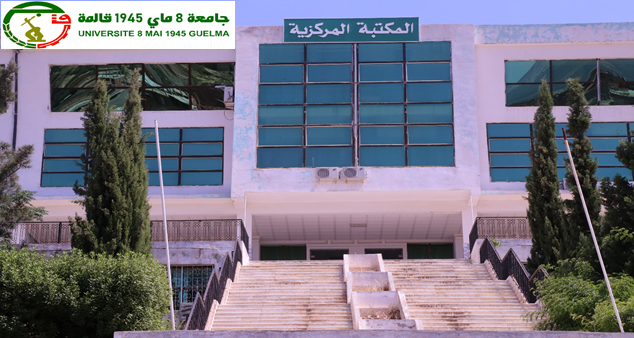
BIBLIOTHEQUE CENTRALE
Détail de l'auteur
Auteur James Paul Gee |
Documents disponibles écrits par cet auteur


 Affiner la recherche Interroger des sources externes
Titre : An Introduction to DiscourseAnalysis : Theory and Method Type de document : texte imprimé Auteurs : James Paul Gee, Auteur Mention d'édition : Fourth edition Editeur : Routledge Année de publication : 2014 Importance : 242 P. Présentation : Couv.ill. en coul. Format : 23.5x15.5 Cm. ISBN/ISSN/EAN : 978-0-415-72556-9 Note générale : Contents
1 Introduction
2 What is Discourse Analysis
3 Building Tasks
4 Tools of Inquiry and Discourses
5 Social Languages, Conversations, and Intertextuality
6 Form-Function Correlations, Situated Meanings,and Figured Worlds
7 Figured Worlds
8 Context
9 Discourse Analysis
10 Processing and Organizing Language
11 Sample of Discourse Analysis 1
12 Sample of Discourse Analysis 2
13 Sample of Discourse Analysis 3
14 Conclusion: Proactive DesignLangues : Anglais (eng) Langues originales : Anglais (eng) Mots-clés : Discourse Analysis Toolkit Index. décimale : 401 Philosophie et théorie Résumé : Discourse analysis considers how language, both spoken and written, enacts social and cultural perspectives and identities. Assuming no prior knowledge of linguistics, An Introduction to Discourse Analysis examines the field and presents James Paul Gee's unique integrated approach which incorporates both a theory of language-in-use and a method of research.
An Introduction to Discourse Analysis can be used as a stand-alone textbook or ideally used in conjunction with the practical companion title How to do Discourse Analysis: A Toolkit. Together they provide the complete resource for students studying discourse analysis.
Updated throughout, the fourth edition of this seminal textbook also includes two new chapters: 'What is Discourse?' to further understanding of the topic, as well as a new concluding section. A new companion website www.routledge.com/cw/gee features a frequently asked questions section, additional tasks to support understanding, a glossary and free access to journal articles by James Paul Gee.
Clearly structured and written in a highly accessible style, An Introduction to Discourse Analysis includes perspectives from a variety of approaches and disciplines, including applied linguistics, education, psychology, anthropology and communication to help students and scholars from a range of backgrounds to formulate their own views on discourse and engage in their own discourse analysis.
This is an essential textbook for all advanced undergraduate and postgraduate students of discourse analysis.An Introduction to DiscourseAnalysis : Theory and Method [texte imprimé] / James Paul Gee, Auteur . - Fourth edition . - New York : Routledge, 2014 . - 242 P. : Couv.ill. en coul. ; 23.5x15.5 Cm.
ISBN : 978-0-415-72556-9
Contents
1 Introduction
2 What is Discourse Analysis
3 Building Tasks
4 Tools of Inquiry and Discourses
5 Social Languages, Conversations, and Intertextuality
6 Form-Function Correlations, Situated Meanings,and Figured Worlds
7 Figured Worlds
8 Context
9 Discourse Analysis
10 Processing and Organizing Language
11 Sample of Discourse Analysis 1
12 Sample of Discourse Analysis 2
13 Sample of Discourse Analysis 3
14 Conclusion: Proactive Design
Langues : Anglais (eng) Langues originales : Anglais (eng)
Mots-clés : Discourse Analysis Toolkit Index. décimale : 401 Philosophie et théorie Résumé : Discourse analysis considers how language, both spoken and written, enacts social and cultural perspectives and identities. Assuming no prior knowledge of linguistics, An Introduction to Discourse Analysis examines the field and presents James Paul Gee's unique integrated approach which incorporates both a theory of language-in-use and a method of research.
An Introduction to Discourse Analysis can be used as a stand-alone textbook or ideally used in conjunction with the practical companion title How to do Discourse Analysis: A Toolkit. Together they provide the complete resource for students studying discourse analysis.
Updated throughout, the fourth edition of this seminal textbook also includes two new chapters: 'What is Discourse?' to further understanding of the topic, as well as a new concluding section. A new companion website www.routledge.com/cw/gee features a frequently asked questions section, additional tasks to support understanding, a glossary and free access to journal articles by James Paul Gee.
Clearly structured and written in a highly accessible style, An Introduction to Discourse Analysis includes perspectives from a variety of approaches and disciplines, including applied linguistics, education, psychology, anthropology and communication to help students and scholars from a range of backgrounds to formulate their own views on discourse and engage in their own discourse analysis.
This is an essential textbook for all advanced undergraduate and postgraduate students of discourse analysis.Exemplaires (1)
Code-barres Cote Support Localisation Section Disponibilité 14/234680 L/401.013 Livre Bibliothèque Centrale indéterminé Exclu du prêt
Titre : How to do discourse analysis : A toolkit Type de document : texte imprimé Auteurs : James Paul Gee Mention d'édition : 2nd edition Editeur : Routledge Année de publication : 2014 Importance : 208 P. Présentation : Couv.ill. en coul. Format : 23.5x15.5 Cm. ISBN/ISSN/EAN : 978-0-415-72558-3 Langues : Anglais (eng) Langues originales : Anglais (eng) Index. décimale : 401 Philosophie et théorie Résumé : This bestselling textbook is the ideal companion to An Introduction to Discourse
Analysis: Theory and Method, by leading author, James Paul Gee.
Using a practical how-to approach, Gee provides the tools necessary to
work with discourse analysis, with engaging step-by-step tasks featured
throughout the book. Each tool is clearly explained, along with guidance on
how to use it, and authentic data is provided for readers to practice using the
tools. Readers from all fields will gain both a practical and theoretical
background in how to do discourse analysis and knowledge of discourse
analysis as a distinctive research methodology.
Updated throughout, this second edition also includes a new tool – ‘The
Big C Conversation Tool’. A new companion website www.routledge.com/
cw/gee features a frequently asked questions section, additional tasks to
support understanding, a glossary and free access to journal articles by
James Paul Gee.
How to do Discourse Analysis: A Toolkit is an essential book for advanced
undergraduate and postgraduate students working in the areas of applied
linguistics, education, psychology, anthropology and communication.Note de contenu : Contents
Unit 1: Language and Context
1.1 Language and Language Acquisition
1.2 Context
Grammar Interlude #1: Deixis
1.3 Two Tools: The Fill In Tool and the Making Strange Tool
1.4 Working with the Fill In Tool
Grammar Interlude #2: Subjects and Predicates
1.5 Working with the Making Strange Tool
Grammar Interlude #3: Intonation
1.6 The Frame Problem
1.7 The Frame Problem Tool
1.8 Working with the Frame Problem Tool
Unit 2: Saying, Doing, and Designing
2.1 The Doing and Not Just Saying Tool
2.2 Working with the Doing and Not Just Saying Tool
2.3 Using Grammar to Build Structures and Meaning
Grammar Interlude #4: Vocabulary
2.4 The Why This Way and Not That Way Tool
Grammar Interlude #5: Integrating Information
2.5 Working with the Why This Way and Not That Way Tool
Grammar Interlude #6: Topics and Themes
2.6 Why We Build and Design with Grammar vi Contents
2.7 Using Language to Build Things in the World
Grammar Interlude #7: Stanzas
Unit 3: Building Things in the World
3.1 The Context is Reflexive Tool
3.2 Working with the Context is Reflexive Tool
3.3 Building Tasks and Building Tools
3.4 The Significance Building Tool
3.5 Working with the Significance Building Tool
3.6 The Activities Building Tool
3.7 Working with the Activities Building Tool
3.8 The Identities Building Tool
3.9 Working with the Identities Building Tool
3.10 The Relationships Building Tool
3.11 Working with the Relationships Building Tool
3.12 The Politics Building Tool
3.13 Working with the Politics Building Tool
3.14 The Connections Building Tool
Grammar Interlude #8: Cohesion
3.15 Working with the Connections Building Tool
3.16 The Sign Systems and Knowledge Building Tool
3.17 Working with the Sign Systems and Knowledge Building Tool
Grammar Interlude #9: Topic Flow or Topic Chaining
Unit 4: Theoretical Tools
4.1 Six Theoretical Tools
4.2 The Situated Meaning Tool
4.3 Working with the Situated Meaning Tool
4.4 The Social Languages Tool
4.5 Working with the Social Languages Tool Contents vii
4.6 The Intertextuality Tool
4.7 Working with the Intertextuality Tool
4.8 The Figured Worlds Tool
4.9 Working with the Figured Worlds Tool
4.10 The Big D Discourse Tool
4.11 Working with the Big D Discourse Tool
4.12 The Big C Conversation Tool
4.13 Working with the Big C Conversation ToolHow to do discourse analysis : A toolkit [texte imprimé] / James Paul Gee . - 2nd edition . - New York : Routledge, 2014 . - 208 P. : Couv.ill. en coul. ; 23.5x15.5 Cm.
ISBN : 978-0-415-72558-3
Langues : Anglais (eng) Langues originales : Anglais (eng)
Index. décimale : 401 Philosophie et théorie Résumé : This bestselling textbook is the ideal companion to An Introduction to Discourse
Analysis: Theory and Method, by leading author, James Paul Gee.
Using a practical how-to approach, Gee provides the tools necessary to
work with discourse analysis, with engaging step-by-step tasks featured
throughout the book. Each tool is clearly explained, along with guidance on
how to use it, and authentic data is provided for readers to practice using the
tools. Readers from all fields will gain both a practical and theoretical
background in how to do discourse analysis and knowledge of discourse
analysis as a distinctive research methodology.
Updated throughout, this second edition also includes a new tool – ‘The
Big C Conversation Tool’. A new companion website www.routledge.com/
cw/gee features a frequently asked questions section, additional tasks to
support understanding, a glossary and free access to journal articles by
James Paul Gee.
How to do Discourse Analysis: A Toolkit is an essential book for advanced
undergraduate and postgraduate students working in the areas of applied
linguistics, education, psychology, anthropology and communication.Note de contenu : Contents
Unit 1: Language and Context
1.1 Language and Language Acquisition
1.2 Context
Grammar Interlude #1: Deixis
1.3 Two Tools: The Fill In Tool and the Making Strange Tool
1.4 Working with the Fill In Tool
Grammar Interlude #2: Subjects and Predicates
1.5 Working with the Making Strange Tool
Grammar Interlude #3: Intonation
1.6 The Frame Problem
1.7 The Frame Problem Tool
1.8 Working with the Frame Problem Tool
Unit 2: Saying, Doing, and Designing
2.1 The Doing and Not Just Saying Tool
2.2 Working with the Doing and Not Just Saying Tool
2.3 Using Grammar to Build Structures and Meaning
Grammar Interlude #4: Vocabulary
2.4 The Why This Way and Not That Way Tool
Grammar Interlude #5: Integrating Information
2.5 Working with the Why This Way and Not That Way Tool
Grammar Interlude #6: Topics and Themes
2.6 Why We Build and Design with Grammar vi Contents
2.7 Using Language to Build Things in the World
Grammar Interlude #7: Stanzas
Unit 3: Building Things in the World
3.1 The Context is Reflexive Tool
3.2 Working with the Context is Reflexive Tool
3.3 Building Tasks and Building Tools
3.4 The Significance Building Tool
3.5 Working with the Significance Building Tool
3.6 The Activities Building Tool
3.7 Working with the Activities Building Tool
3.8 The Identities Building Tool
3.9 Working with the Identities Building Tool
3.10 The Relationships Building Tool
3.11 Working with the Relationships Building Tool
3.12 The Politics Building Tool
3.13 Working with the Politics Building Tool
3.14 The Connections Building Tool
Grammar Interlude #8: Cohesion
3.15 Working with the Connections Building Tool
3.16 The Sign Systems and Knowledge Building Tool
3.17 Working with the Sign Systems and Knowledge Building Tool
Grammar Interlude #9: Topic Flow or Topic Chaining
Unit 4: Theoretical Tools
4.1 Six Theoretical Tools
4.2 The Situated Meaning Tool
4.3 Working with the Situated Meaning Tool
4.4 The Social Languages Tool
4.5 Working with the Social Languages Tool Contents vii
4.6 The Intertextuality Tool
4.7 Working with the Intertextuality Tool
4.8 The Figured Worlds Tool
4.9 Working with the Figured Worlds Tool
4.10 The Big D Discourse Tool
4.11 Working with the Big D Discourse Tool
4.12 The Big C Conversation Tool
4.13 Working with the Big C Conversation ToolExemplaires (1)
Code-barres Cote Support Localisation Section Disponibilité 14/234830 L/401.012 Livre Bibliothèque Centrale indéterminé Exclu du prêt